100 million parasite eggs detected: how Micron is helping vets and animal owners treat smarter
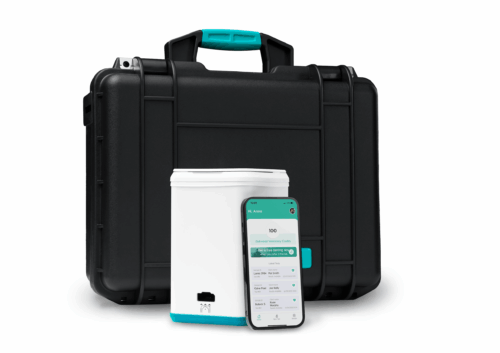
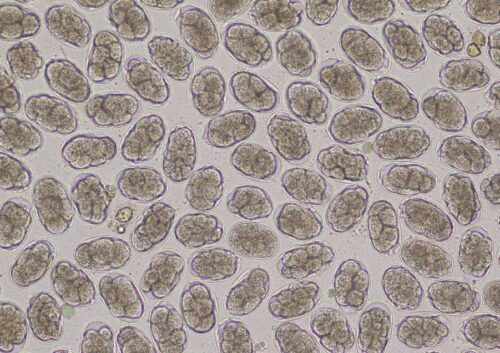
Micron Agritech has passed 100 million parasite eggs detected on its AI-powered testing platform, and is marking the milestone with two launches: integrated FECRT reporting for every Micron user, and Micron Kit +Pet for companion animal practice.
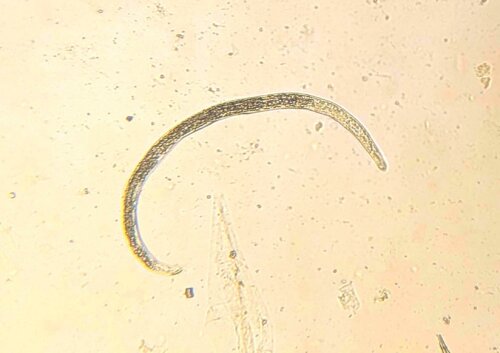
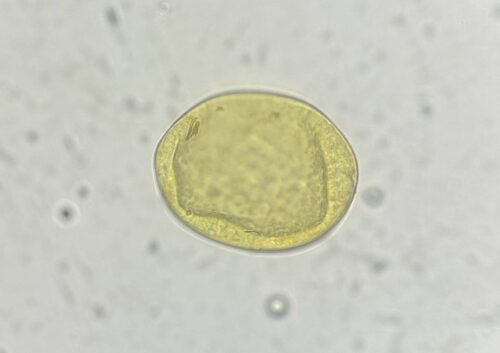
Every one of those 100 million eggs was found in a veterinary practice or on a farm, in minutes, without a sample being posted to a lab. Behind each result is a treatment decision: whether to worm, what to use, and whether the last treatment worked. That is why the number matters to us. It represents millions of data points on which decisions were made on evidence rather than habit.
The resistance problem
Wormers are among the most widely used medicines in livestock farming, and they are losing their effect. A recent Irish study found benzimidazole resistance on every sheep farm tested and ivermectin resistance on 71% of them.¹ Across Europe, gastrointestinal worms, liver fluke and lungworm are estimated to cost the ruminant livestock industry €1.8 billion a year, more than 80% of it through lost production.² In the UK, gastrointestinal worms alone are estimated to cost the sheep industry £42 to £84 million a year.³
The difficulty is that treatment failure is invisible unless someone checks. When animals are dosed routinely without testing, the parasites that survive are the ones that breed, and each round of blanket treatment makes the next one less effective.
Testing breaks the cycle
A faecal egg count shows whether treatment is needed at all. A Faecal Egg Count Reduction Test (FECRT) shows whether the treatment given actually worked. Together they let vets and animal owners treat only the animals that need it, with a product that is still effective. That is the foundation of sustainable parasite control.
Integrated FECRT reporting, now live for all users
FECRT has long been recommended but rarely done, because it means tracking pre- and post-treatment samples, recording what was given and calculating the reduction by hand. Micron now does this automatically. Users record both counts and log the treatment, and the platform calculates the percentage reduction and produces a report showing how well it worked. Automated reminders prompt users when the follow-up test is due, so the second sample isn’t forgotten.

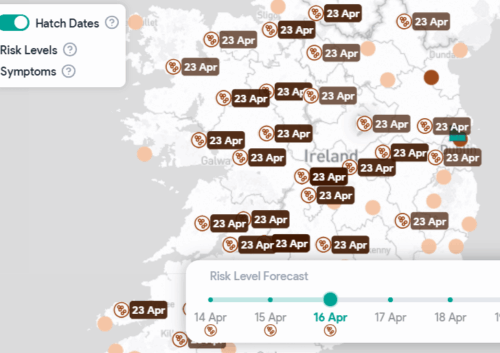
Every result feeds into Micron Analytics, building a picture of parasite prevalence, treatment efficacy and emerging resistance across farms and practices over time. Alongside Micron ID for sample logging and our Predictive Animal Wellness System (PAWS) for parasite forecasting, the platform turns individual tests into longer-term parasite management.
In Ireland, Micron can also be used within Animal Health Ireland’s TASAH parasite-control programme, so participating farmers can access testing alongside veterinary advice.
Micron Kit +Pet: bringing the same approach to companion animals
Around one in seven owned pets in Europe carries intestinal worms or coccidia, many without obvious signs,⁴ and 63% of dog owners don’t worm at the recommended frequency.⁵ Routine testing gives vets and owners a clear basis for treatment instead of a calendar.
Micron Kit +Pet uses the existing Micron reader and is built on centrifugal flotation, the gold-standard method for companion animal parasitology. It needs less than five minutes of hands-on preparation, so any member of the practice team can run a test without specialist laboratory training.
Sustainability built in
Targeted treatment means fewer doses given, less wormer entering the environment, and slower development of resistance, protecting the medicines animal owners and vets depend on and the productivity and animal welfare those medicines protect. The Micron Kit is also designed to reduce waste: its slides and components are reusable, so there is no single-use plastic thrown away with every test. And because results are produced in the practice or on the farm or yard, there’s no need to courier samples to a lab.
Daniel Izquierdo, CEO of Micron Agritech, said: “Passing 100 million parasite eggs detected reflects the confidence animal owners, vets and advisers have placed in rapid, AI-powered diagnostics. As the industry moves towards targeted, evidence-based parasite control, our goal is to make the best testing practical in every practice and on every farm and yard. Integrated FECRT reporting, +Pet and Micron Analytics all serve the same purpose: better data, better decisions, and wormers that keep working.”
Get started: farmers who want to monitor wormer efficacy can ask their vet about FECRT reporting through Micron Kit testing. Practices can book a +Pet demonstration by clicking here. FECRT reporting is already available to all existing Micron users.
References
- Hamilton, K.M., et al. (2026) Increase in anthelmintic resistance in sheep flocks in Ireland. Irish Veterinary Journal, 79 (14).
- Charlier, J., et al. (2020) Initial assessment of the economic burden of major parasitic helminth infections to the ruminant livestock industry in Europe. Preventive Veterinary Medicine, 182, 105103.
- Williams, G., et al. (2021) Gastrointestinal nematode control practices in ewes. Veterinary Parasitology: Regional Studies and Reports, 24, 100562.
- Prevalence of major digestive and respiratory helminths in dogs and cats in France: results of a multicenter study.Parasites & Vectors (2022) 15:314. doi: 10.1186/s13071-022-05368-7
- Detection of Giardia and helminths in Western Europe at local K9 (canine) sites (DOGWALKS Study). Parasites & Vectors (2022) 15:311. doi: 10.1186/s13071-022-05440-2